
MACY’S
ProHOW app

Context
Large retail organizations face a persistent challenge. Knowledge is fragmented, informal, and unevenly distributed. In fast-moving environments like fashion and sales, learning is often experiential, social, and time-sensitive. Traditional training systems fail to keep pace.
This project emerged as a long-term initiative to explore how people actually learn on the job, and how technology could support continuous skill development without interrupting performance.
The effort required sustained discovery, organizational alignment, and cross-border delivery.
The Process
01 / Problem Framing
Key challenges identified early:
Learning content was static while the business was dynamic
Knowledge lived in people, not systems
Existing tools prioritized compliance over growth
Sales and fashion teams needed learning that was:
Contextual
Social
Immediately applicable
The central question became:
How might we design a system that supports how people want to learn while driving measurable performance outcomes?
02 / Approach
Deep Discovery and Learning Research
I led initial research focused on:
How sales and fashion professionals acquire expertise
Motivations tied to growth, recognition, and success
Informal learning behaviors inside retail environments
This work revealed that learning was Peer-driven, Reputation-based, and strongly tied to personal ambition
Feature Strategy and System Design
Based on insights, I evaluated and shaped features around:
Knowledge sharing rather than top-down training
Short, consumable learning units
Social validation and contribution
Discovery over instruction
The system was designed to reward participation, not enforce consumption.
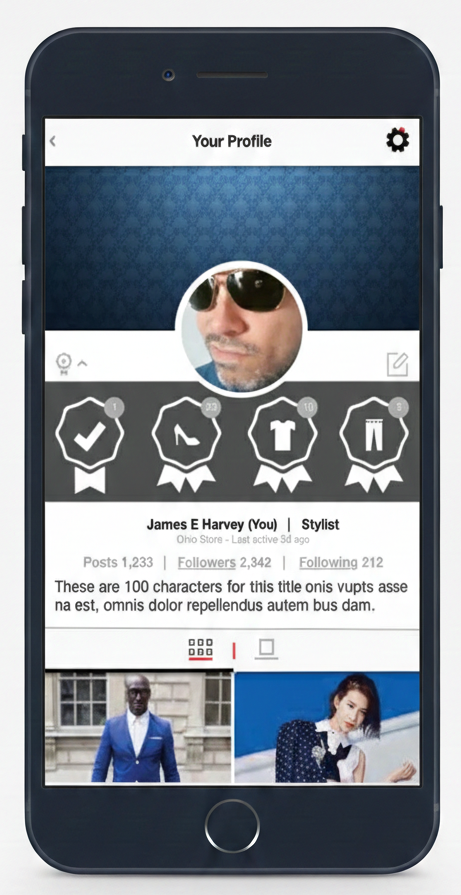
Product Direction and UI Design
I defined the product direction and translated it into:
A clear interaction model
Scalable UI patterns
Simple contribution and discovery flows
The UI emphasized clarity, speed, and low cognitive overhead, essential for retail contexts.
03 / Outcomes
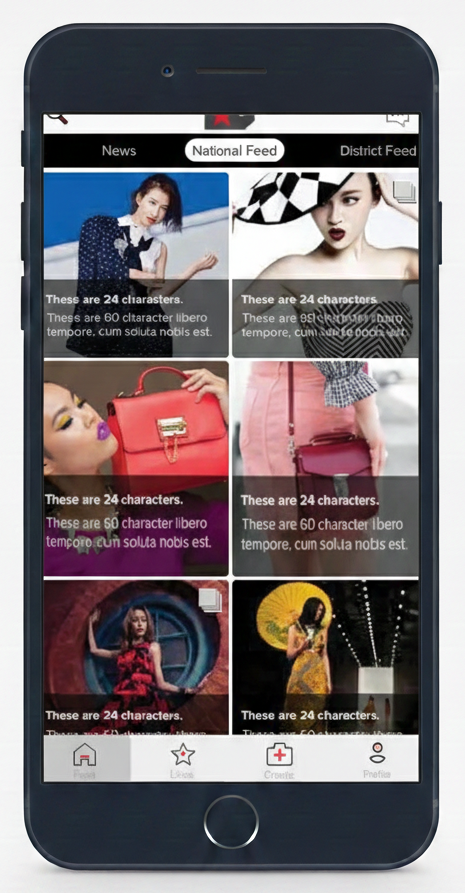
Successfully delivered a Beta version into Macy’s environment
Validated assumptions about social and peer-driven learning
Created a functional knowledge-sharing system adaptable to other industries
Demonstrated the ability to lead a complex, multi-year initiative from concept to delivery
Beyond the product itself, the project demonstrated the viability of learning systems as performance enablers rather than training tools.
Why This Matters
Learning as a system, not content. Focused on enabling knowledge flow rather than building a content library.
Motivation-first design. Aligned features with ambition, recognition, and peer respect.
Simplicity over exhaustiveness. Prioritized ease of contribution and discovery.
Tight design–development loop. Reduced handoff friction across geographies.
These decisions kept the product grounded in real behavior rather than idealized learning models.

It demonstrates my ability to:
Lead long-horizon initiatives with sustained complexity
Translate human learning behavior into scalable systems
Operate across research, product strategy, design, and delivery
Align stakeholders, developers, and business goals over time
It positions me as a builder of systems that enable growth, not simply an interface designer.